What to pack for rural volunteering in the UK
If you're heading off on a rural work-for-accommodation (WFA) placement, the standard travel packing list won't quite cut it. You're going to be outdoors, getting your hands dirty, possibly in a field with no phone signal and a postcode that points to the wrong lane. A bit of preparation makes a real difference.
Here's what you actually need to think about before you leave.
Pack for the work, not the trip
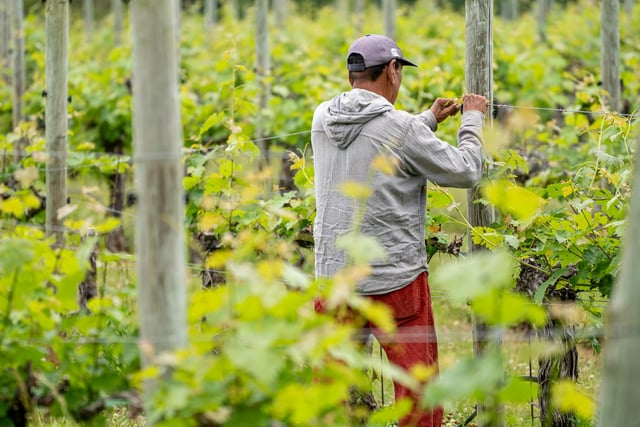
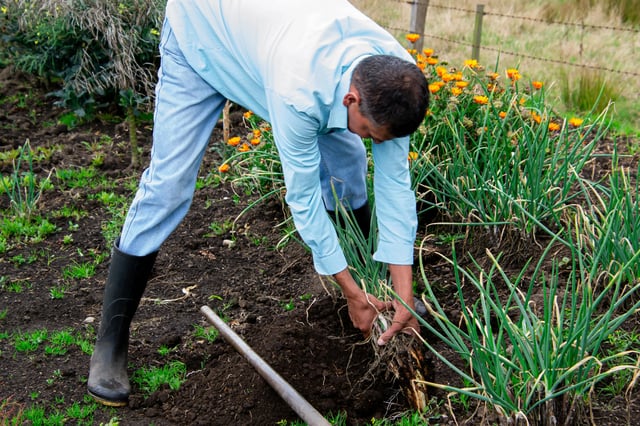
Most rural placements involve practical, physical work outdoors. Pack clothes you genuinely don't mind ruining. Old jeans, worn-in trousers, and long-sleeved tops are far more useful than anything you'd normally wear. Things get dirty quickly when you're working outside, so bring more than you think you need.
Footwear matters more than most people expect. Sturdy, closed-toe shoes or boots are essential for farm and outdoor work. Trainers simply aren't suitable for many tasks. If you own a pair of steel toe-capped boots or wellies, it's worth throwing them in. You may not need them every day, but the one day you do, you'll be glad they're there.
Pack a pair of gloves even if your host says they'll provide them. A pair that fits your hands properly makes a real difference over a full day's work.
Weather, kit, and food
The British weather doesn't follow a schedule, so bring a waterproof layer regardless of the forecast. Sun protection is equally worth packing, particularly in spring and summer when outdoor work means hours in direct light.
For personal items: bring your own toiletries. Most private accommodation will include bedding, but confirm with your host before you go rather than assuming. If you're arriving late in the evening, or if meals aren't part of the arrangement, bring food for your first night. The nearest shop is often further away than you'd expect.
If you have dietary requirements and your host is providing meals, flag this before you arrive. Don't leave it until you're sitting at the dinner table.
Getting to a rural property
This is the part that catches people out. Standard sat nav regularly fails with farm tracks, unmarked lanes, and properties that share a postcode with a neighbouring road. Don't rely on a postcode alone.
When you confirm your arrival details with your host, ask for the precise address and any directions specific to the property. Some hosts will give you a what3words reference, which is far more reliable for rural locations. If you're arriving after dark, this matters even more.
Plan your route before you leave and make sure you know the last few miles of it. Mobile signal can drop out in rural areas at exactly the moment you need to check the map.
If you're travelling without a car
Raise this with your host before you book, not the night before you arrive. Some hosts are close to a train station and are happy to collect you. Others are not reachable without a car, so don't assume.
If your host has agreed to pick you up, confirm the time and collection point clearly, and let them know as soon as possible if your plans change.
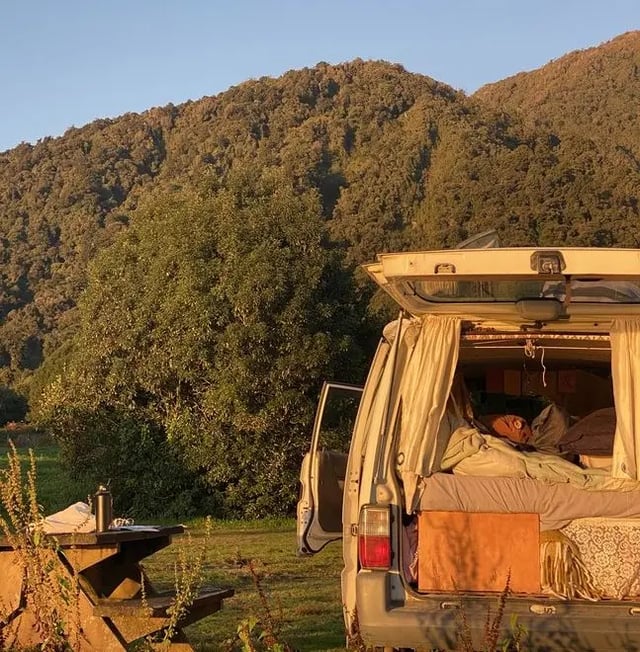
If you're bringing a campervan or motorhome, confirm the pitch space and what facilities are available on-site before you travel.
A few final checks before you leave
Confirm your arrival time with your host a couple of days ahead. Know how you're getting there and what happens at the last stretch of the journey. Pack for the conditions, not the optimistic version of them.
FarFrom is a UK work-for-accommodation platform connecting volunteers with hosts across the country, from stately homes and glamping sites to farms and rural retreats. Every host goes through a review and approval process before going live on the platform.
Browse available placements at Search | FarFrom