Travel insurance for volunteering in the UK: what to check before you go

The practical checklist before a placement tends to focus on the obvious things: what to pack, how to get there, what time to arrive. Insurance is the one that gets left to the last minute, or quietly assumed to be sorted. It isn't always.
Before your stay begins, you need to have suitable travel insurance in place. That responsibility sits with you, not your host, and not with FarFrom. It's worth confirming this early, not the evening before you travel.
Why standard travel insurance may not cover your placement
Most travel insurance is written with holidays in mind. A work-for-accommodation (WFA) placement is a different kind of stay, and standard policies often don't account for it.
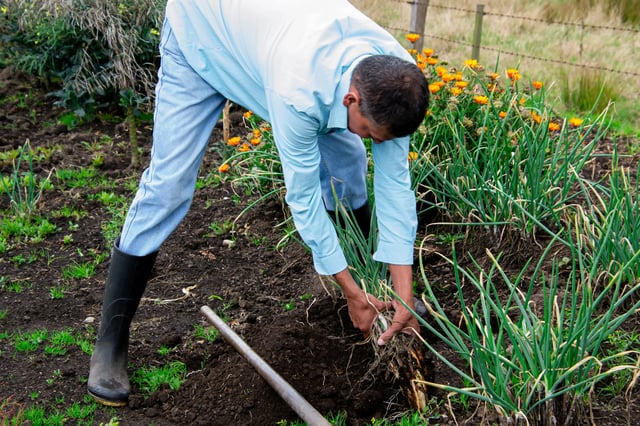
Three exclusions come up regularly. The first is voluntary or unpaid activity. Many insurers treat exchange-based helping as "voluntary work" and either limit or exclude cover for it, sometimes in policy wording that isn't easy to spot. The second is physical and outdoor tasks. Farmwork, animal care, grounds maintenance, and manual labour are frequently excluded from personal accident sections. The third is extended stays. Some policies cap the duration of cover for anything that falls outside the definition of a standard holiday booking.
These exclusions won't be flagged to you automatically. You have to read the policy and check for them before you travel.
What your policy should cover
Your cover needs to address three things specifically.
The activity itself. If your placement involves physical or outdoor work, your insurer needs to know that and confirm you're covered. General travel cover does not automatically extend to manual or farm work.
Personal accident. If you're injured while helping out, that needs to fall within your policy. Check that the specific tasks you'll be doing are in scope, not just that you hold some form of travel insurance.
Medical costs. If you become ill or need treatment during your stay, you need to know those costs are covered. Rural properties can be a significant distance from the nearest hospital or clinic, which makes this more important, not less.
If you're unsure whether your existing policy is adequate, contact your insurer directly. Describe the placement in plain terms: the type of tasks, where you'll be staying, and the duration. Ask them to confirm whether you're covered. Get that confirmation in writing if you can.
Your host's insurance is not your cover
Hosts may carry public liability insurance for their property. That does not extend to personal cover for you as a volunteer. Personal accident, medical costs, and travel disruption are yours to arrange independently.
If something happens during your placement and you don't have suitable cover in place, the consequences are yours to manage.
Getting this sorted before you go
Once your placement is confirmed, check your insurance. Don't leave it until the week before. If your existing policy has gaps, getting this sorted earlier gives you time to find an alternative that fits.
Some providers offer policies designed specifically for voluntary or working travel. Searching "volunteer travel insurance UK" is a reasonable starting point. Look for a policy that covers manual or outdoor activity, and confirm that the duration matches your placement length.
FarFrom is a UK work-for-accommodation platform connecting volunteers with hosts across the country, from stately homes and glamping sites to farms and rural retreats. Suitable travel insurance is a requirement for all volunteers before their placement begins. It's a straightforward requirement with a clear purpose: to make sure you're protected if something goes wrong.
Browse available placements at Search | FarFrom