How charities with rural properties can find volunteers through work-for-accommodation
Finding reliable volunteers is one of the biggest operational challenges facing UK charities right now. According to research by Nottingham Trent University and Pro Bono Economics, 61% of charities are finding it difficult to recruit volunteers. (Source: VCSE Barometer Survey, Nottingham Trent University, 2024). For charities managing rural properties, farms, conservation sites, or heritage land, that challenge is often sharper still. Remote locations make it harder to attract local helpers, and the work itself tends to be physical and ongoing.
There is a model that addresses this directly, and it is still relatively unfamiliar in the charity sector: work-for-accommodation (WFA).
What is work-for-accommodation?
WFA is a straightforward exchange. A volunteer stays on your property for free, in private accommodation you provide, and in return helps with a few hours of practical tasks each day. No money changes hands between you and the volunteer.
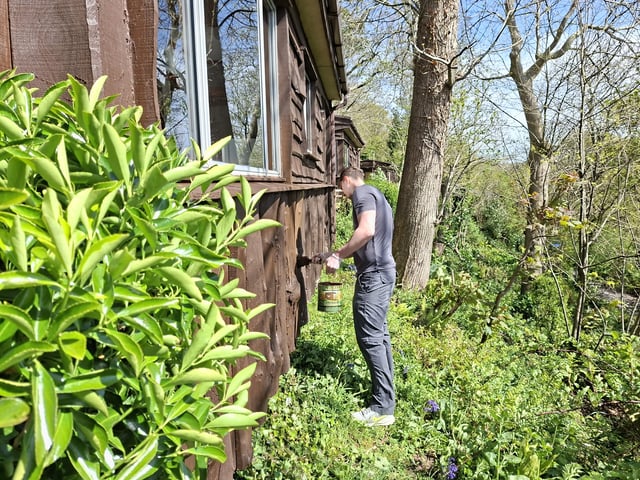
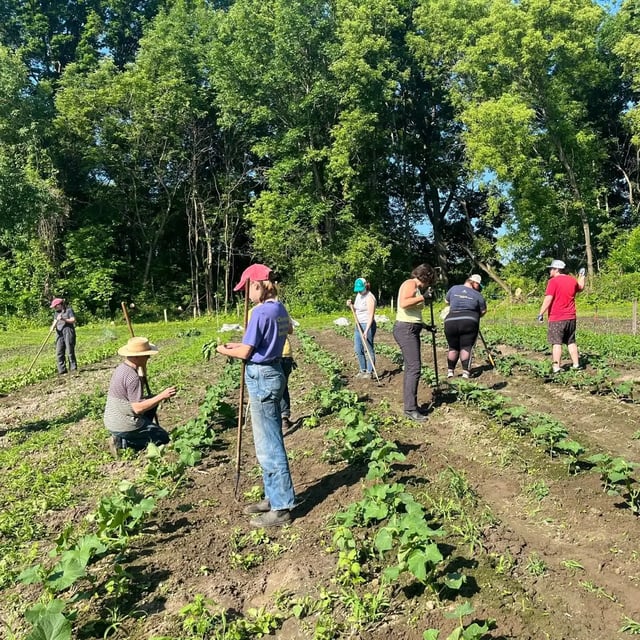
Tasks vary by property. Conservation charities might need help with habitat management, trail clearance, or wildlife monitoring. Heritage properties often want assistance with grounds maintenance or visitor-facing work. Rural community farms might need hands for growing, harvesting, or animal care. The common thread is that the work is physical, place-based, and genuinely useful.
Who volunteers this way?
This is not gap-year travel. The people drawn to WFA placements in the UK tend to be adults in their 30s, 40s, and 50s, often couples on career breaks or sabbaticals, looking for a meaningful way to spend time in the countryside. They are choosing to be there. They have sought out the opportunity, applied, and committed to a stay. That is a different profile from a casual day volunteer who may or may not show up.
For charities struggling to find people willing to come to a rural location and stay for several days or more, this matters.
What kind of charity property suits this model?
Not every charity will find WFA a good fit. The model works well where:
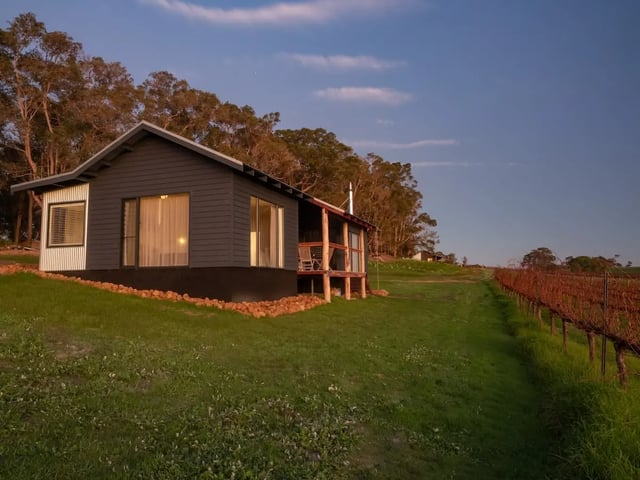
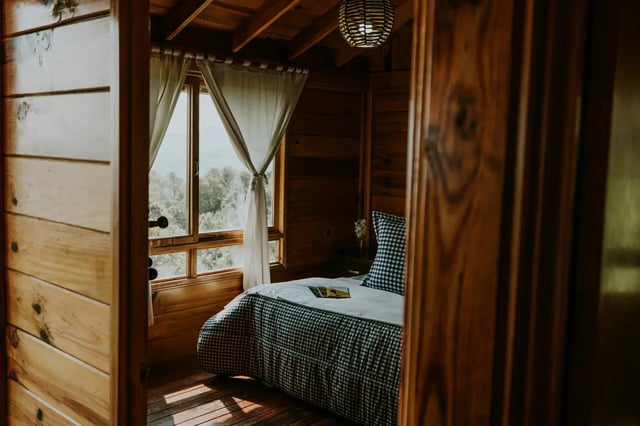
You have private accommodation on-site, whether a cottage, cabin, shepherd's hut, or spare room in a rural building, that a volunteer can use during their stay.
The work is practical and can be broken into daily tasks without requiring professional qualifications.
You can offer a genuine countryside experience as part of the arrangement, since that is part of what attracts volunteers to WFA rather than a conventional role.
Charities without on-site accommodation, or those whose volunteering needs are primarily skills-based or remote, are less likely to benefit.
How FarFrom works for charity hosts
FarFrom is a UK work-for-accommodation platform connecting volunteers with hosts across the country, from stately homes and glamping sites to farms and rural retreats. Registered UK charities can host through FarFrom on a free subscription, with Charity Commission registration verified as part of the sign-up process.
Hosts go through a review and approval process before going live on the platform. Volunteers browse and apply for placements, so you are not posting to a general jobs board and sifting through unsuitable enquiries. The exchange is agreed directly between you and the volunteer before any stay is confirmed.
If your charity manages a rural property and has been thinking about whether residential volunteers could help, it is worth exploring whether WFA fits your situation.
Find out more and apply