Your charity's spare accommodation could be its best volunteer recruitment tool
If you manage a rural charity property, you have probably spent more time thinking about volunteer recruitment than you would like. Remote locations make it harder. There is no passing foot traffic, no easy commute, and asking someone to give up a day or a weekend to travel somewhere they have never been is a bigger ask than it sounds.
But there is something many rural charity properties have that most organisations do not: somewhere to put someone up. And that changes the conversation entirely.
Accommodation is an asset, not just an overhead
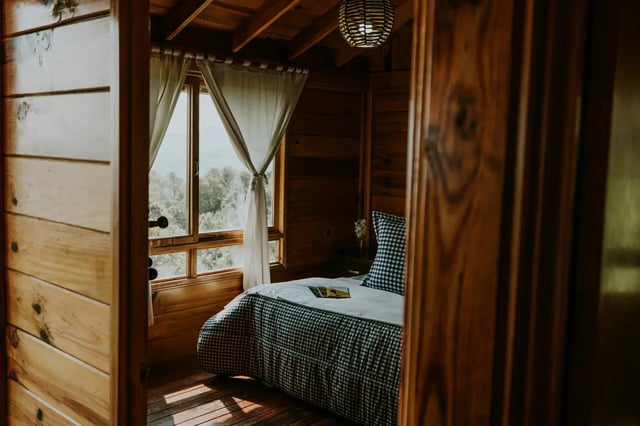
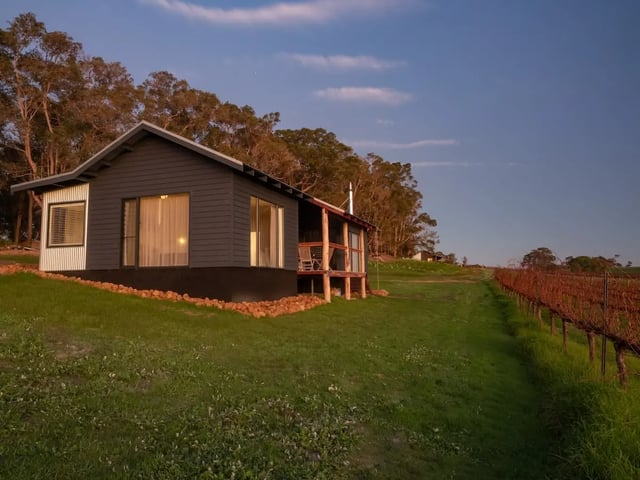
A spare cottage, a converted outbuilding, a shepherd's hut, a room in a rural property that sits empty outside of certain seasons. For many trustees, these appear in the accounts as maintenance costs and not much else. But for the right volunteers, on-site accommodation is precisely what makes a placement possible in the first place.
Work-for-accommodation (WFA) is built on this logic. A volunteer stays at your property, in private accommodation you provide, and helps with a few hours of practical tasks each day. No money changes hands between you and the volunteer. The accommodation is what makes the exchange work for both sides: the volunteer gets a genuine working stay in the countryside, and you get consistent, committed help from someone who planned to be there.
Who takes working holidays this way?
This is worth being specific about, because it affects whether the model is the right fit for your organisation.
WFA volunteers in the UK tend to be adults in their 30s, 40s, and 50s, often couples, many of them on career breaks or sabbaticals. They are not looking for the cheapest bed available. They have found the placement, understood what it involves, applied, and made the journey. That self-selection matters. You are not managing a rota of casual helpers who may or may not show up. You are hosting someone who chose this, and who has a genuine interest in the setting they have come to.
For rural charities where the remote location is often the biggest barrier to finding volunteers, that distinction is worth paying attention to.
What kinds of work suit this model?
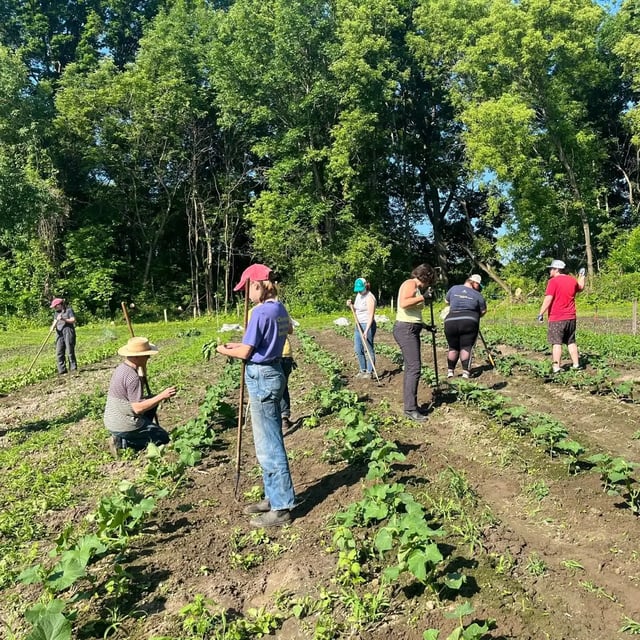
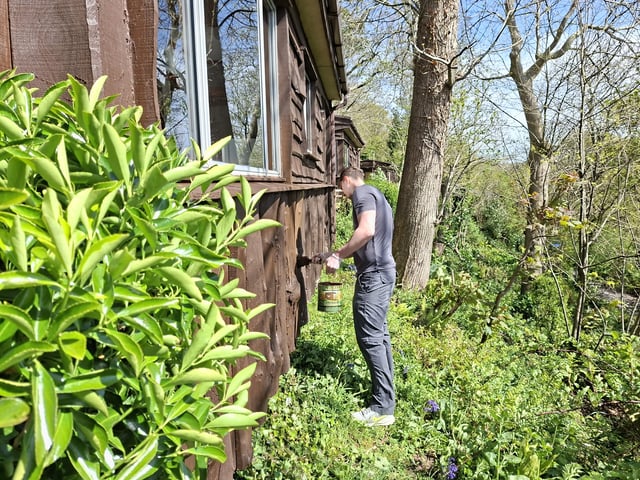
WFA works well where the tasks are practical, physical, and place-based, and do not require professional qualifications. Conservation charities have used it for habitat management, trail clearance, and wildlife monitoring. Heritage properties get help with grounds maintenance and general upkeep. Rural community farms use it for growing, harvesting, and animal care.
It is less suited to roles that require extensive training, specialist professional skills, or unsupervised work with vulnerable people. Think of it as support, done by someone who is genuinely there, rather than a substitute for trained staff or skilled project volunteers.
Free hosting for registered charities
FarFrom is a UK work-for-accommodation platform connecting volunteers with hosts across the country, from stately homes and glamping sites to farms and rural retreats. Registered UK charities can host through FarFrom at no cost, with Charity Commission registration confirmed as part of the sign-up process.
Hosts go through a review and approval process before going live on the platform. Volunteers browse placements and apply directly, so you are not fielding unsolicited enquiries or sorting through unsuitable candidates. You agree the details of each stay directly with the volunteer before anything is confirmed.
If your charity has on-site accommodation that sits underused, and practical work that genuinely needs doing, it is worth finding out whether this fits your situation.
Find out more and apply to