7 things to have ready before you welcome your first work-for-accommodation volunteer
Hosting a work-for-accommodation (WFA) volunteer is a fantastic way to get reliable support while offering travellers an authentic place to stay. But before your first volunteer arrives, it's worth preparing a few essentials to make sure the exchange runs smoothly.
Here are seven things every host should have ready:
1. A comfortable, private room
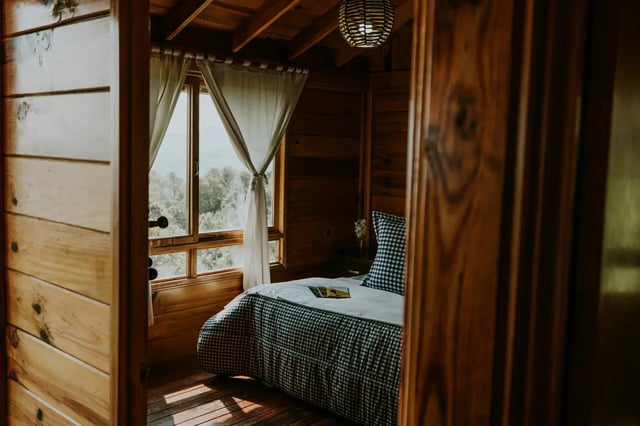
Accommodation is the cornerstone of a WFA exchange; it's what you're offering as a host in return for your volunteer's time. Make sure the room is clean, private, and equipped with the basics: fresh bedding, towels, good lighting, and somewhere to store belongings. If you can, add a personal touch such as a small desk, extra blankets, or a welcome basket.
Remember: the more comfortable and cared-for your volunteer feels, the more likely they are to bring energy and commitment to the work.
2. A clear task list (and an open mind)
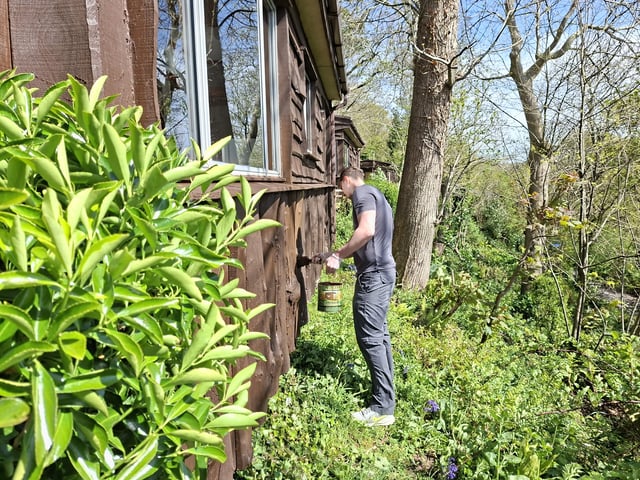
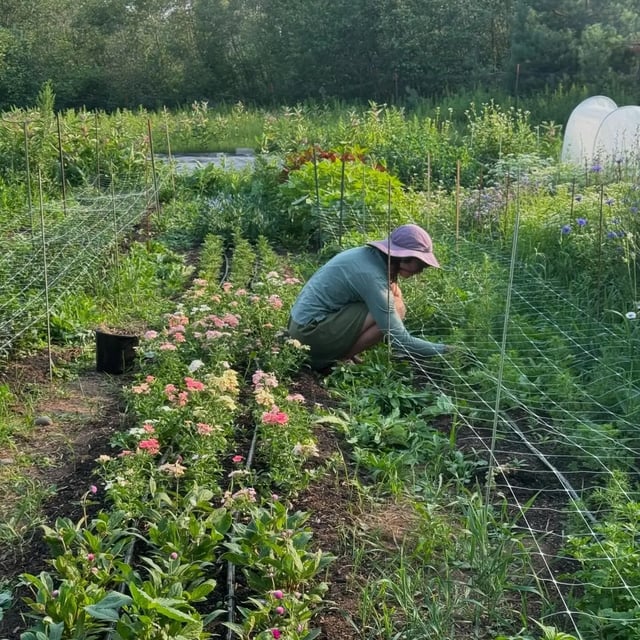
Volunteers love clarity, but flexibility helps too. Prepare a written list of the jobs you'd like done: gardening, painting, animal care, event prep, or admin tasks.
Be as specific as you can: "weed the vegetable patch for two hours" is much clearer than "help with the garden."
It's also worth getting to know your volunteer's skills and strengths once they arrive. You might discover hidden skillsets, maybe they're great with photography, can cook meals for events, or know how to fix a fence. A little flexibility can help you get even more value from the exchange.
3. A daily routine and fair hours
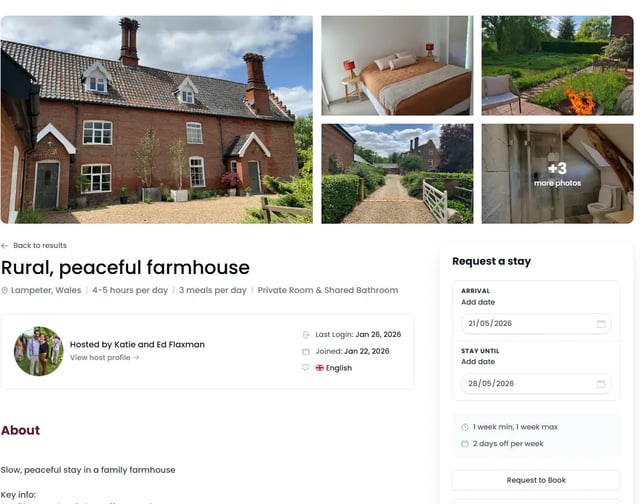
Be upfront about how many hours of work you expect each day. Most WFA arrangements are between 2–5 hours per day, depending on whether meals are included. For example:
- Accommodation only: 2–3 hours of help per day
- Accommodation + meals: 4–5 hours of help per day
Explain when those hours are needed, some tasks may be morning-heavy (like feeding animals), while others fit better in the afternoon (like event prep).
Clear structure avoids confusion and ensures the exchange feels fair for both sides.
But it's also important once again to be flexible; if it's a one-off project, it may work better if the volunteer is happy to get it all done in one day.
4. House rules and guidelines
Every property runs differently. Share simple "house rules" upfront, such as meal times, kitchen use, quiet hours, smoking policies, or internet access. A short welcome guide makes expectations clear, avoids awkwardness, and helps your volunteer settle in quickly.
5. Equipment and clothing guidance
Think about what tools or materials your volunteer will need for each type of job, whether it's gardening gloves, paintbrushes, or animal feed buckets. It's up to you as a host to provide the basics, but also remind volunteers to bring suitable clothing for the work and weather. A pair of sturdy shoes or waterproofs can be essential, especially when in the UK.
6. A warm welcome pack
First impressions matter. A welcome note, Wi-Fi password, a few local tips, or even a local treat can help volunteers feel at home straight away. Many hosts also like to leave a short "local guide" with maps, shops, and bus timetables so volunteers can explore on their days off.
7. Something unexpected
Adding a little "extra" makes your exchange memorable. This could be inviting your volunteer to join a family dinner, teaching them a local recipe, or showing them something in the local area. Small gestures of hospitality create lasting friendships and often encourage volunteers to return in the future.
Final thoughts
Hosting your first WFA volunteer doesn't need to be complicated. With a comfortable room, clear expectations, and a thoughtful welcome, you'll create an exchange that feels fair and rewarding for both sides.
At Far From , we make the process even easier with structured listings, verified volunteers, and honest reviews. All you need to do is prepare your property, and enjoy the benefits of having an extra pair of hands on board.