
Farmstay holidays in the UK: what they are and how to find one
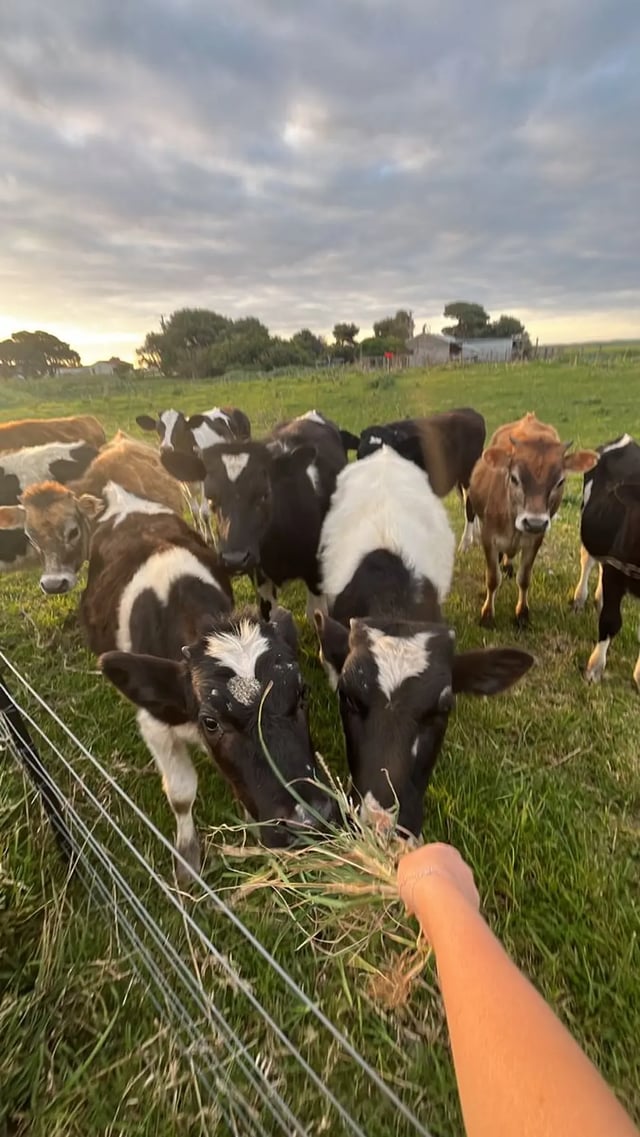
There's something about a working farm that stops you in your tracks. Not because it's dramatic, but because it's real. You wake up to the sound of animals rather than traffic. The air is different. The evenings are quiet in a way most people have forgotten is possible.
Farmstay holidays in the UK have been growing steadily in popularity for exactly this reason. More people are searching for a rural experience that goes beyond a country hotel, something that puts them closer to the land and the people who work it.
What a farmstay holiday typically looks like
A traditional farmstay is paid accommodation on or alongside a working farm. That might be a room in the farmhouse, a self-catering cottage, or a glamping pitch in a field. You're on the property, close to the animals and the daily rhythm of farm life, but as a paying guest.
The appetite for it is real. One platform reported a 266% increase in searches for camping and glamping on UK farms between July 2023 and July 2024. (Source: Pitchup.com, 2024)
The experience varies depending on the host. Some are happy for guests to get involved with farm life. Others keep things more separate. What you get depends on what you book and who you book with.
A different kind of farmstay: work-for-accommodation
There's another way to experience a UK farm that most people don't know about, and it costs considerably less.
Work-for-accommodation (WFA) is a simple exchange: you spend a few hours each day helping with practical tasks on the property, and in return you get free private accommodation. No money changes hands between you and the host.
On farms, the tasks might involve helping with livestock, maintenance, weeding, or preparing the property for other guests. Nothing that requires specialist knowledge. Hosts are looking for willing, practical people, not experienced farmhands.
You stay in private accommodation on the property. Not a shared bunkhouse. Your own space, whether that's a room in the farmhouse, a cottage, or a converted outbuilding.
What to expect from a WFA farm placement
Most placements ask for around four hours of help per day, leaving the rest of the time your own. That's enough to explore the surrounding area, go walking, visit nearby towns, or simply sit and do nothing in particular.
Stays vary in length. A few nights, a long weekend, or up to a week or more depending on what both sides agree. Meals are sometimes included, sometimes not. That's something to sort out directly with the host before you arrive.
The connection you build with a working farm through WFA is different from a standard stay. You're not just passing through. You're part of the place for a while, and that tends to stay with you in a way a hotel never would.
Finding a farmstay placement in the UK
FarFrom is a UK work-for-accommodation platform connecting volunteers with hosts across the country, from stately homes and glamping sites to farms and rural retreats. Hosts go through a review and approval process before going live on the platform, and all accommodation is private.
If you're curious about what's available, you can browse current farm placements and filter by location, property type, and dates.
Find out more and browse placements at Search | FarFrom