Things to do when you retire early in the UK

The first few months of early retirement tend to take care of themselves. There's usually a list of things you've been meaning to get to: decorating a room, visiting people you've been promising to see, sleeping past 6am for the first time in years.
After that, the question changes. Not "what should I do today?" but "what should I actually do with this time?"
Here's a practical look at some of the best answers to that.
Get more of the UK while you can move slowly
Most people plan to travel more when they retire. What's less obvious is how much of the UK itself still goes unseen. The Lake District, the Scottish Highlands, the Pembrokeshire Coast, the Cotswolds in autumn: not exotic destinations, but places most working adults only ever pass through.
Early retirement gives you something a holiday doesn't: the ability to go midweek, stay for longer than a long weekend, and move at a pace that actually lets you notice things.
The main barrier is accommodation. Three weeks in a good part of rural England adds up quickly, especially on a reduced income.
Do something with a sense of purpose
One of the things people underestimate about early retirement is how much of their structure came from work. Without it, free time can start to feel shapeless.
Volunteering is one of the more effective ways to address that. It gives you a reason to be somewhere, people to spend time with, and a contribution that doesn't have to be measured in output. People aged 65 to 74 are currently the age group most likely to volunteer in the UK (Source: Community Life Survey 2024/25, GOV.UK). That's not a coincidence. It fills something that work used to fill.
Develop interests that never got the time they deserved
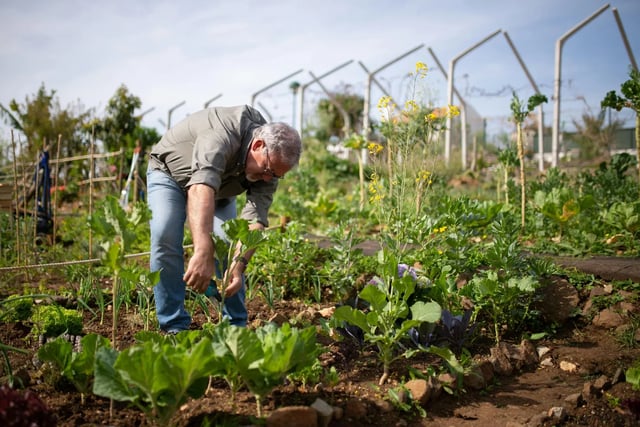
Retirement is a reasonable time to learn something properly. Gardening, woodworking, photography, cooking: things that were always interesting but got pushed aside. Courses, workshops, and community groups are worth looking into, and most areas have more going on than people expect.
Work-for-accommodation: the option most people haven't come across
Work-for-accommodation (WFA) is an arrangement that combines several of the above without much planning.
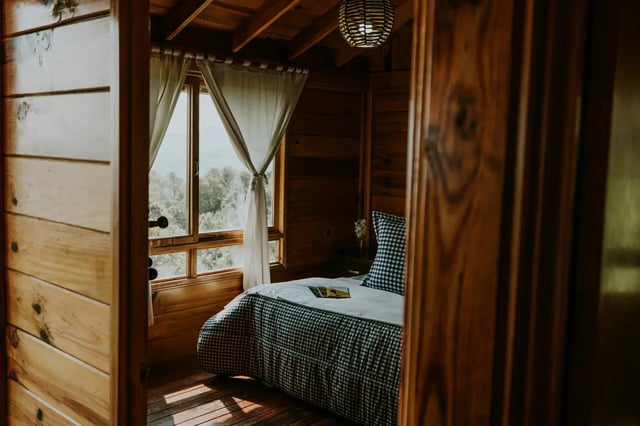
The model is straightforward. You contribute a few hours of practical help each day to a private host on their property. In return you stay for free in private accommodation. No money changes hands between you and the host. They get support with something they need doing; you get a reason to be somewhere new, with accommodation included.
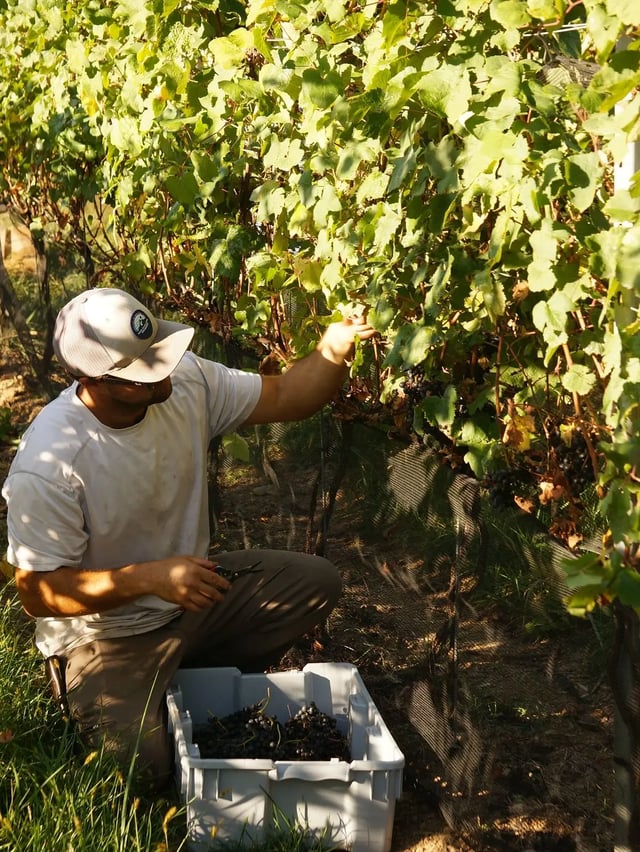
In practice that might mean helping with grounds maintenance on a heritage estate in the Scottish Borders, lending a hand at a vineyard in Kent during pruning season, or supporting a glamping site in Cornwall over a few weeks in spring. The properties vary considerably. The work tends to be practical and outdoors. Stays typically run from a few days to a few weeks, and you can book several in a row if you want to spend a longer stretch travelling.
For early retirees, a few things make it particularly well-suited. The accommodation is free, which meaningfully extends how far a retired income stretches. The rhythm, a few hours of work each morning and time to explore in the afternoons, suits the pace most people are looking for after decades of full-time work. And unlike standard volunteering, the travel element is already built in.
What planning a first stay actually involves
It's more straightforward than it sounds. You browse available properties, read what the host is looking for, and get in touch with the ones that suit you. Most listings describe the work clearly, so there's little ambiguity about what's expected. Stays are arranged directly between you and the host.
The things worth thinking about before you look: how long you want to stay, what kind of setting appeals to you, and what kind of work you're comfortable with. Host reviews tell you more than any listing description.
FarFrom is a UK work-for-accommodation platform connecting volunteers with hosts across the country, from stately homes and glamping sites to farms and rural retreats. All hosts go through a review and approval process before their listing goes live, and both sides build up a review history over time.
If you want to understand how it works before committing to anything, the how it works page covers it properly.
Find out more at Work-for-accommodation stays in the UK | FarFrom