Working at a vineyard in the UK: what to expect and how to get involved
Working at a vineyard in the UK has gone from a niche idea to something genuinely achievable. The industry has grown considerably in the past decade, and with that growth has come real demand for seasonal help.
The UK now has more than 1,000 registered vineyards, reaching 1,158 in 2025 (Source: Food Standards Agency, 2025). Most of them are spread across Kent, Sussex, Hampshire, and the Cotswolds. Most are small, independent operations. And most of them need more hands during certain parts of the year than they can easily find.
What vineyard work actually involves
The work on a vineyard isn't the same year-round. The two busiest periods are pruning, which typically runs from January through to March, and harvest, which falls in September and October for most UK vineyards.
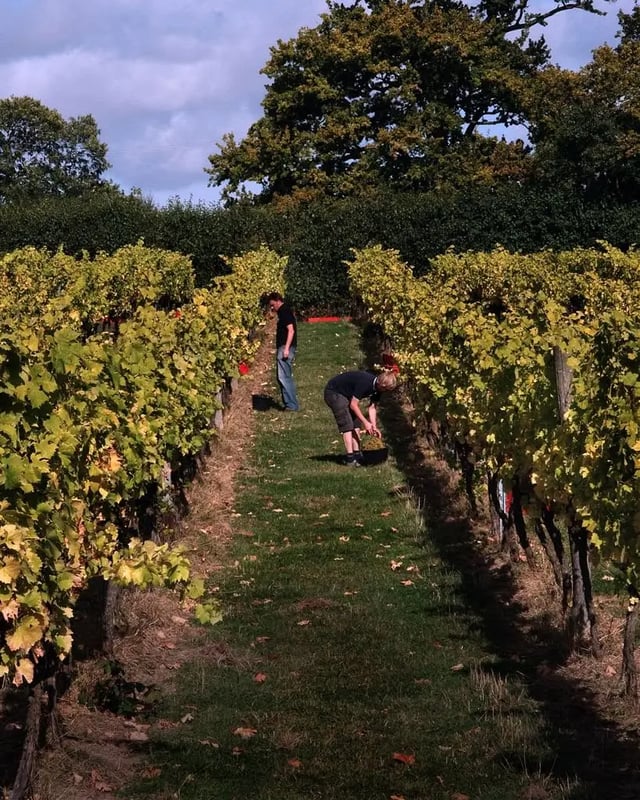
Pruning is precise and repetitive. It's outdoor work in often cold conditions, done carefully to set up each vine for the coming growing season. Harvest is more physical and more communal: picking grapes by hand, moving crates, working at pace during a short and weather-dependent window.
Outside those periods there's maintenance work. Tying vines, weeding, general grounds upkeep. Most of the day-to-day tasks on a small vineyard don't require specialist knowledge. They require reliable, willing hands.
When UK vineyard harvest actually happens
English and Welsh harvest typically runs from late September through to mid-October, though warmer growing seasons have been pushing this earlier. The exact timing depends on the variety being grown and the weather in the weeks leading up to picking. Most vineyard owners won't know precisely when harvest falls until a few weeks before.
This matters for planning: flexibility helps considerably. People who want to work at a UK vineyard during harvest often need to be available at relatively short notice rather than booking months ahead.
The different ways to get involved
Paid seasonal work at vineyards exists, but it's harder to find than many people expect. Most small vineyards don't hire formally for short harvest windows. They rely on volunteers, existing contacts, or word of mouth.
WWOOF (World Wide Opportunities on Organic Farms) covers vineyards that are certified organic. Work-for-accommodation (WFA) is a broader option that includes vineyards regardless of certification. Under this model, you contribute a set number of hours of practical help each day, typically around 20 hours across the week, in exchange for free private accommodation on the property. No money changes hands. The host gets reliable help during a pressured period; you get the experience of working and living on a vineyard.
What this means for vineyard owners
Almost two in three UK wineries report a shortage of temporary workers during harvest and holiday seasons (Source: ProWein industry survey, reported by Harpers Wine & Spirit). This isn't a new problem, and paid seasonal labour isn't always the most practical answer for smaller operations.
There's a consistent pool of people who want to work at a UK vineyard. They're searching for it actively. The challenge for vineyard owners is how to reach them reliably.
Work-for-accommodation provides a structure for that. You offer free accommodation on your property in exchange for a set number of hours of help per week. The hours and tasks are agreed in advance, no money changes hands, and the arrangement is set up as an exchange rather than employment. You get harvest help during the period you need it most; volunteers get the experience they've been looking for.
FarFrom is a UK work-for-accommodation platform connecting volunteers with hosts across the country, from stately homes and glamping sites to farms and rural retreats. Vineyards are a natural fit for the model. All hosts go through a review and approval process before their listing goes live.
If you run a UK vineyard and want to reach people actively looking for this kind of placement, find out more at Become a work-for-accommodation host | FarFrom