
How to find volunteers for farm tasks in the UK
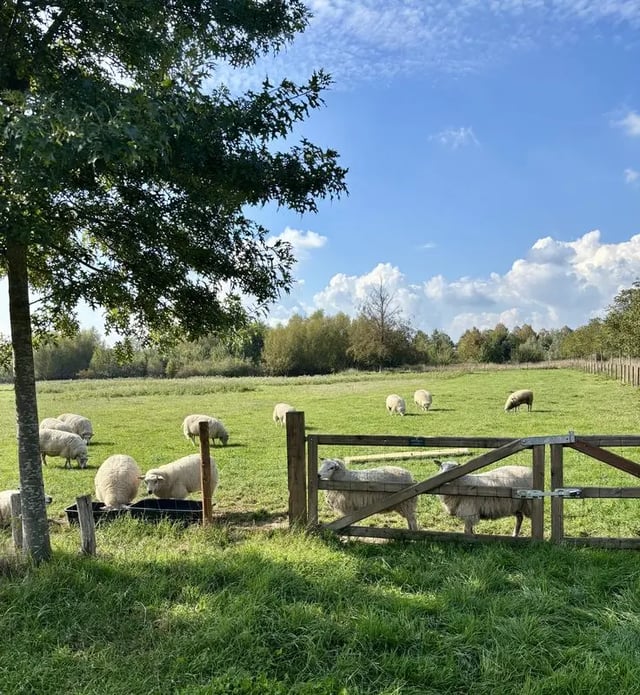
If you run a farm in the UK, you already know that finding reliable help is one of the hardest parts of the job. Seasonal demands don't wait for recruitment to catch up, and a lot of the traditional routes to hiring extra hands have got harder, not easier, in recent years.
A 2025 survey of more than 1,900 British farmers found that 84% of those with a vacancy struggled to find adequate staff (Source: Arla Foods UK, 2025). That's not a niche problem. It's the everyday reality for farms of every size, from smallholdings to larger mixed operations.
Why farm labour has become harder to find
The reasons are familiar to most farmers: an ageing workforce, the end of EU freedom of movement, and the seasonal nature of the work itself, which doesn't suit most conventional hiring. Recruitment agencies and job ads tend to be built for permanent, year-round roles, not the short bursts of help that farms often need around lambing, harvest, fencing repairs, or general upkeep.
At the same time, many farms are diversifying to bring in extra income alongside core agricultural work. Defra's Farm Business Survey found that 72% of farm businesses in England received income from diversification in the past year, up from 61% a decade earlier (Source: Defra Farm Business Survey, 2026). Letting out farm buildings, glamping pitches, and small-scale tourism are increasingly common. All of that adds more to manage, often without adding more people to manage it.
An alternative to paid seasonal labour
This is where work-for-accommodation (WFA) comes in. It's a model where volunteers provide a few hours of practical help each day in exchange for free private accommodation. No money changes hands between the farm and the volunteer. It isn't a replacement for skilled, paid seasonal labour where that's what the job needs, but for the kind of flexible, general farm tasks many farms rely on day to day, it can fill a real gap.
WFA volunteers aren't looking for a wage. They're looking for an experience: a chance to live and work somewhere different for a week, a fortnight, or longer, and to learn skills they wouldn't otherwise get the chance to. For farms, that means access to a different pool of people altogether. Often this includes career-break professionals, retirees, and couples looking for a few weeks somewhere rural, rather than people searching local job boards.
What kind of help farms typically need
Most farm hosts aren't looking for specialist labour. The farm tasks that come up again and again are animal care and feeding, fencing and general maintenance, help around harvest or lambing, garden and grounds work, and support with any on-site diversification activity like a farm shop or campsite. Volunteers usually commit to around four to five hours a day, most days, which leaves plenty of time for them to actually enjoy where they're staying, and for hosts to get meaningful help without managing a full rota.
What hosting actually involves
Hosting through a WFA platform means offering private accommodation, somewhere separate from the main household, in exchange for help with farm tasks. It's worth being upfront from the start about the tasks involved, the hours expected, and what day-to-day life on the farm looks like, so volunteers arrive with the right expectations. Most hosts find that clear, honest listings attract better matches and fewer mismatched placements.
It's also worth knowing that the legal position around work-for-accommodation arrangements, particularly around employment status, is still developing. Anyone hosting should think carefully about how the arrangement is structured and avoid treating it as a substitute for an employment relationship.
Finding volunteers through FarFrom
FarFrom is a UK work-for-accommodation platform connecting volunteers with hosts across the country, from stately homes and glamping sites to farms and rural retreats. Farms go through a review and approval process before going live, and hosts set their own requirements for hours, tasks, and the kind of volunteer they're looking for.
If recruiting seasonal or casual help has become a recurring headache, it might be worth seeing whether a different model fits better than the usual routes.
Find out more about how hosting works: FarFrom