Is Work-for-Accommodation the missing piece of sustainable tourism?
Sustainable tourism has become one of the most talked-about topics in travel. Travellers are increasingly aware of their environmental footprint, while communities around the world are seeking ways to benefit from visitors without being overwhelmed by them. Yet, despite the buzz, much of mainstream tourism still leans toward overcrowded destinations, expensive hotels, and travel models that don't always put people or the planet first.
Enter work-for-accommodation (WFA) , a growing movement that may just be the missing piece of the sustainable tourism puzzle.
What is Work-for-Accommodation?
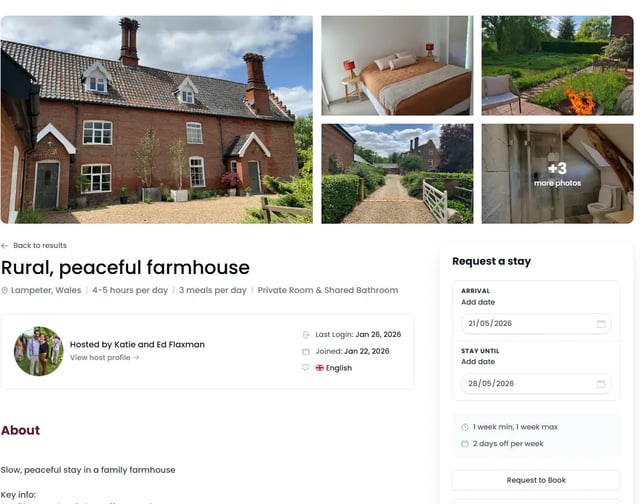
WFA is simple: travellers exchange a few hours of help each day for free accommodation. Instead of paying for hotels or rentals, they contribute time and skills in return for private rooms, annexes, or cottages.
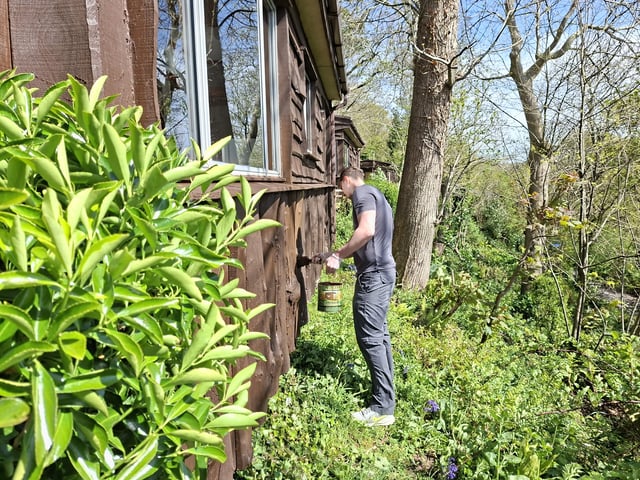
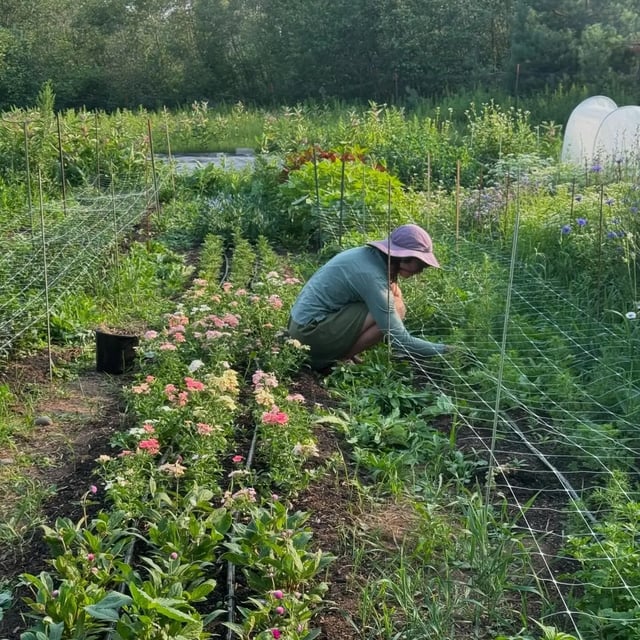
For hosts, it means reliable support with tasks like gardening, animal care, painting, or event preparation. For travellers, it's a chance to explore affordably while experiencing life as part of a local community.
Why are we doing this?
Far From was born from both inspiration and opportunity. During her travels, our founder, Sarah Roberts, saw the powerful potential of work-for-accommodation. People coming together to share skills, culture, and experiences in ways that traditional tourism rarely allows. But she also recognised how much more this model could offer with the right structure, safety, and design. With over a decade in the sharing economy and tech-for-good sector, Sarah set out to build a platform that would elevate these exchanges into something truly sustainable.
For us, sustainable tourism isn't just about offsetting flights or choosing eco-friendly stays. It's about re-thinking how we travel altogether; connecting people through purposeful exchanges that reduce waste, strengthen communities, and make better use of what already exists. By turning underused rooms into opportunities for collaboration, and by matching travellers with local projects that need a hand, Far From helps both sides live and travel more lightly on the planet.
Why WFA fits sustainable tourism
1. Reduces environmental impact
- Makes use of underused spaces (spare rooms, annexes, guest cottages) instead of building new accommodation.
- Encourages longer, slower trips that generate less travel-related emissions.
- Many placements involve eco-friendly projects like organic gardening, permaculture, or conservation.
2. Spreads tourism beyond hotspots
Unlike hotels or short-term rentals that concentrate travellers in city centres, WFA opportunities are often found in:
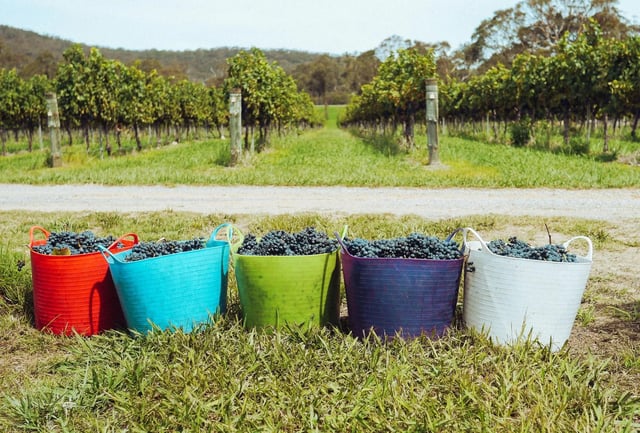
- Farms and vineyards.
- Rural estates and countryside villages.
- Off-season properties.
This helps reduce overtourism in popular areas while directing benefits to communities that welcome the support.
3. Supports local communities directly
In traditional tourism, much of the money flows to large companies or platforms. WFA is different:
- Hosts gain practical help with real projects.
- Travellers spend their free time supporting local shops, markets, and events.
- The exchange is personal, not transactional and strengthens community ties.
4. Promotes cultural exchange
Sustainable tourism isn't just about the environment; it's also about preserving and sharing culture. With WFA:
- Travellers learn directly from hosts about traditions, food, and daily life.
- Hosts gain insights into other cultures, languages, and perspectives.
- These human connections build mutual respect and understanding.
5. Makes meaningful travel accessible
Sustainability should be inclusive, but high-end "eco-lodges" or curated volunteering programs often cost thousands. WFA makes sustainable travel affordable:
- Accommodation is covered in exchange for help.
- Volunteers can travel longer, explore more, and do so without breaking the bank.
- It opens sustainable tourism to professionals on sabbaticals, couples, early retirees, and more.
Is WFA the missing piece?
Many sustainable tourism models focus on reducing harm; fewer flights, eco-certifications, greener hotels. WFA goes further by creating positive impact:
- Properties are maintained and improved.
- Communities receive valuable skills and labour.
- Travellers leave with deeper cultural understanding and stronger global connections.
It's not just about travelling "less badly." It's about travelling better.
So, is WFA the missing piece of sustainable tourism? Absolutely. By combining affordability, authenticity, and responsibility, work-for-accommodation creates a model where everyone benefits.
With Far From , sustainable tourism becomes simple: vetted hosts, honest reviews, and safe, private stays that make meaningful, community-based travel accessible to more people than ever before.
The future of tourism is affordable, authentic, and sustainable. WFA is how we get there.