Glamping on a budget in the UK: what actually works
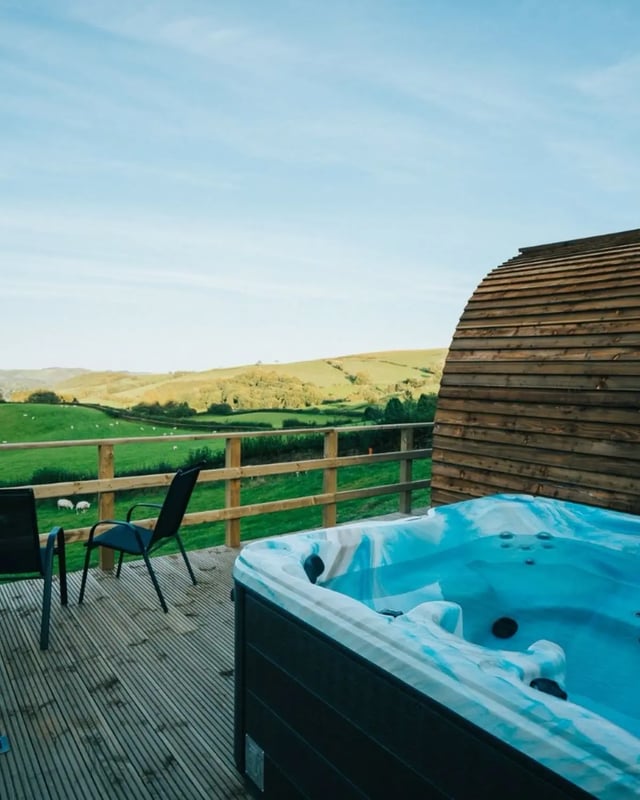
Glamping has a clear appeal: the countryside, the fire pit, the shepherd's hut in a field somewhere quiet. What it also has is a price tag. At an average of around £93 per night in the UK (Source: CampManager, 2024), a week of it runs to over £600 before you've eaten, driven there, or done anything else.
For a lot of people that's fine. But if you want to spend more time in those kinds of places without the bill that comes with them, there are a few approaches worth knowing about.
Book off-peak and midweek
The price of a glamping stay is heavily influenced by when you go. Most sites charge significantly more during school holidays and summer weekends. Midweek stays in spring or autumn tend to be 20 to 30% cheaper for the same accommodation, without much sacrifice on the experience.
Booking directly through a site's own website, rather than through a third-party platform, also often unlocks a small discount. Sites pay commission on bookings made through listing platforms, and many prefer direct bookings enough to price them accordingly.
Neither of these gets the cost to zero. But they can make a meaningful difference.
Look at what's included, not just the headline price
Some glamping sites bundle what others charge separately. A pitch that includes firewood, a welcome hamper, or use of a kayak can represent considerably better value than one that adds those things on. It's worth reading listings carefully rather than comparing nightly rates alone.
Work-for-accommodation: staying for free
Work-for-accommodation (WFA) is the option that changes the equation completely.
The model is simple. You contribute a few hours of practical help each day to a host at their property, and in return you stay for free. On a glamping site that might mean helping with guest turnovers, light maintenance, grounds upkeep, or general site tasks. The work is typically done in the mornings, leaving the rest of the day free. No money changes hands between you and the host.
For anyone who wants to spend time in the kind of rural, outdoor settings that glamping offers, WFA gives you access to those places without the nightly rate. A week or two on a working glamping site, in a shepherd's hut, a pod, or a bell tent, costs you nothing beyond your time.
The experience also tends to be different from a standard glamping trip, in a way many people find more satisfying. You stay longer, you're part of how the place operates, and you get to know it properly rather than arriving on a Friday and leaving on a Sunday. The hosts running these kinds of sites tend to be interesting people in unusual places, and that dynamic is part of what makes it worthwhile.
What to look for before you commit
Not every glamping WFA placement is the same. The things worth checking before reaching out: what the accommodation is, what the work involves, how many hours are expected, and what previous volunteers say in their reviews.
Most hosts describe the work clearly in their listings. If anything is ambiguous, ask before agreeing. A single message to a host before confirming a stay tells you a lot about what the experience will actually be like.
Finding glamping placements through work-for-accommodation
FarFrom is a UK work-for-accommodation platform connecting volunteers with hosts across the country, from stately homes and rural retreats to glamping sites and working farms. All hosts go through a review and approval process before their listing goes live, and both hosts and volunteers build up a review history over time.
If a week on a UK glamping site sounds appealing but the cost is a barrier, it's worth seeing what's available.
Browse placements at Search | FarFrom